How to Build an Email List: Complete Guide for Beginners in 2026
Key Considerations Before Starting to Build an Email List
Building an email list is one of the most effective strategies for growing an online business in 2026. Unlike social media, email marketing allows direct communication with your audience, higher engagement rates, and better conversion opportunities, An email list helps you nurture relationships, promote products or services, and generate consistent revenue. This guide will show how to build an email list, step by step, with actionable strategies, tools, and tips for beginners to maximize results.
Why an Email List is Important
Email marketing remains one of the highest ROI channels in digital marketing.
Benefits include:
- Direct access to your audience: Reach subscribers anytime
- Higher conversion rates: Emails drive more sales than social media posts
- Ownership: Unlike social platforms, you own your email list
- Long-term asset: An email list grows in value over time
- Segmentation opportunities: Send personalized messages to specific groups
An email list is essential for sustainable online business growth.
Key Considerations Before Starting
- Define your audience: Identify who your emails are targeting
- Determine your goal: Sales, traffic, engagement, or brand awareness
- Choose your niche: Ensure alignment with your products or services
- Select an email marketing platform: Options include Mailchimp, ConvertKit, or ActiveCampaign
- Plan your content strategy: Decide what type of emails you’ll send
Clear planning ensures effective list building and higher engagement.
Step 1: Choose the Right Email Marketing Platform
Your platform is crucial for managing subscribers, campaigns, and analytics.
Popular options in 2026:
- Mailchimp: Beginner-friendly, free tier available
- ConvertKit: Great for creators and automated sequences
- ActiveCampaign: Advanced automation and segmentation
- Sendinblue: Affordable and scalable solution
Tips: Choose a platform that matches your skill level and future growth plans.
Step 2: Create a Compelling Lead Magnet
A lead magnet encourages visitors to subscribe by offering value in exchange for their email.
Popular lead magnet ideas:
- Free ebook or guide
- Checklist or template
- Webinar or video tutorial
- Discount or coupon code
- Exclusive content or insider tips
Tips for success:
- Solve a specific problem
- Keep it concise and actionable
- Use professional design and formatting
A high-value lead magnet increases opt-in rates significantly.
Step 3: Design an Opt-in Form
An opt-in form captures email addresses from visitors.
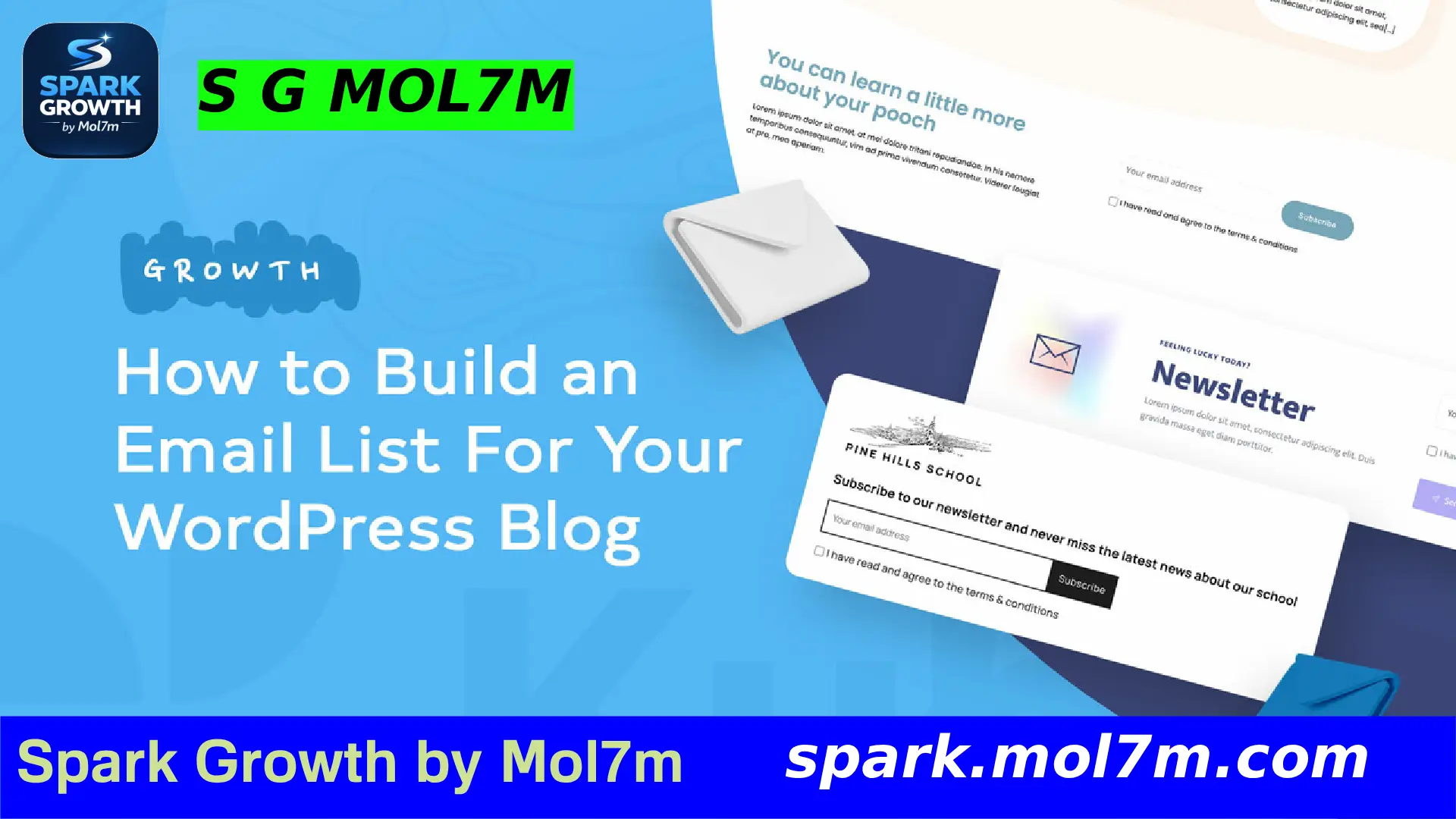
Key elements:
- Clear headline
- Benefits of subscribing
- Minimal fields (usually just email)
- Call-to-action (CTA) button
- Placement on website: homepage, blog posts, pop-ups, footer
Tips: A/B test forms to see which design or placement converts best.
Step 4: Create an Engaging Welcome Email
The first email sets expectations and builds trust.
- Greet subscribers warmly
- Deliver the promised lead magnet
- Introduce your brand and value proposition
- Include a call-to-action for further engagement
A strong welcome email improves retention and encourages interactions.
Step 5: Segment Your Email List
Segmentation ensures relevant content reaches the right audience.
Ways to segment:
- Interests or preferences
- Purchase history
- Engagement level
- Demographics or location
Tips: Use segments to send personalized offers, increasing click-through rates and conversions.
Step 6: Plan an Email Content Strategy
Content keeps subscribers engaged and encourages conversions.
Types of emails:
- Educational content: Tips, tutorials, or guides
- Promotional content: Products, discounts, or services
- Newsletter updates: Company news, blog posts, or announcements
- Engagement emails: Surveys, polls, or feedback requests
Tips: Mix value-driven content with promotional content to maintain subscriber interest.
Small Business Ideas: 40 Profitable Ideas with Low Costs
Step 7: Optimize for Deliverability
Ensuring emails reach inboxes is critical for success.
Tips:
- Avoid spammy words and excessive exclamation marks
- Use double opt-in for higher quality subscribers
- Regularly clean your list of inactive users
- Authenticate your domain (SPF, DKIM, DMARC)
High deliverability ensures your emails are read, not ignored or filtered.
Step 8: Promote Your Email List
To grow your list, actively promote it across channels.
Methods:
- Social media posts and ads
- Blog posts with CTA
- Website pop-ups and landing pages
- Collaborations with other creators
- Guest posting or webinars
Tips: Offer clear value and multiple opportunities for sign-ups.
How to Start a YouTube Channel for Business: Step-by-Step Guide for Beginners in 2026
Step 9: Track Metrics and Analyze Performance
Analyzing results helps optimize campaigns.
Key metrics:
- Open rates
- Click-through rates
- Conversion rates
- Bounce rates
- Unsubscribe rates
Tips: Use analytics to test subject lines, content, and sending times for better performance.
Step 10: Scale Your Email Marketing Efforts
Once your list grows:
- Automate sequences for onboarding, nurturing, and sales
- Segment for personalized campaigns
- Upsell or cross-sell products
- Regularly update lead magnets and offers
- Collaborate with affiliates to reach new subscribers
Scaling ensures consistent growth and higher revenue potential.
Common Mistakes to Avoid Build an Email List
- Not providing enough value
- Overloading subscribers with too many emails
- Ignoring analytics and optimization
- Poorly designed opt-in forms
- Neglecting segmentation
Avoiding these mistakes improves engagement and list growth.
How to Start a Blog and Make Money: Step-by-Step Guide for Beginners in 2026
Tools for Email List Building in 2026
- Email marketing: Mailchimp, ConvertKit, ActiveCampaign, Sendinblue
- Landing pages: Leadpages, Elementor, Unbounce
- Analytics: Google Analytics, Hotjar
- Lead magnets: Canva, Adobe Creative Suite
Using the right tools simplifies the process and maximizes conversions.
Real-Life Success Stories How to Build an Email List
- Blogger: Grew an email list to 10,000 subscribers in 6 months, monetizing via affiliate marketing How to Build an Email List
- Online Course Creator: Built a list of 5,000 subscribers, generating $7,000 in course sales
- Ecommerce Brand: Used email campaigns to increase repeat purchases and retention, boosting revenue by 30%
These stories show that consistent effort and smart strategies can lead to significant results.
YouTube link Build an Email List
Through our comprehensive understanding of learning methods, you can learn how to build an email list via the YouTube link.
Follow the YouTube link Build an Email List
Conclusion How to Build an Email List
Building an email list is one of the most valuable investments for any online business in 2026. By creating lead magnets, optimizing opt-in forms, segmenting subscribers, and delivering valuable content, beginners can grow a loyal audience and increase revenue.
Consistency, value-driven content, and smart automation are key to long-term success. An email list is not just a tool—it’s a digital asset that grows in worth over time.
Build an email list 2026, Email marketing for beginners, Grow subscribers online, List building strategies, How to get email subscribers
FAQ Schema How to Build an Email List
Q1: Why is an email list important for online businesses? Build an Email List
A: It provides direct access to your audience, higher conversion rates, and a long-term digital asset you own.
Q2: How can beginners start building an email list? How to Build an Email List
A: Create a lead magnet, set up an opt-in form, and promote it across your website and social channels.
Q3: How often should I email my subscribers?
A: Send regular, value-driven content while avoiding overwhelming your audience. A consistent schedule, such as weekly or bi-weekly, works well.
Q4: Can I make money with a small email list?
A: Yes, even a small, engaged list can generate revenue through product sales, affiliate offers, or services.




3 Comments