How Does Carbon Credits Trading Work? – A Comprehensive Guide
What Are Carbon Credits?

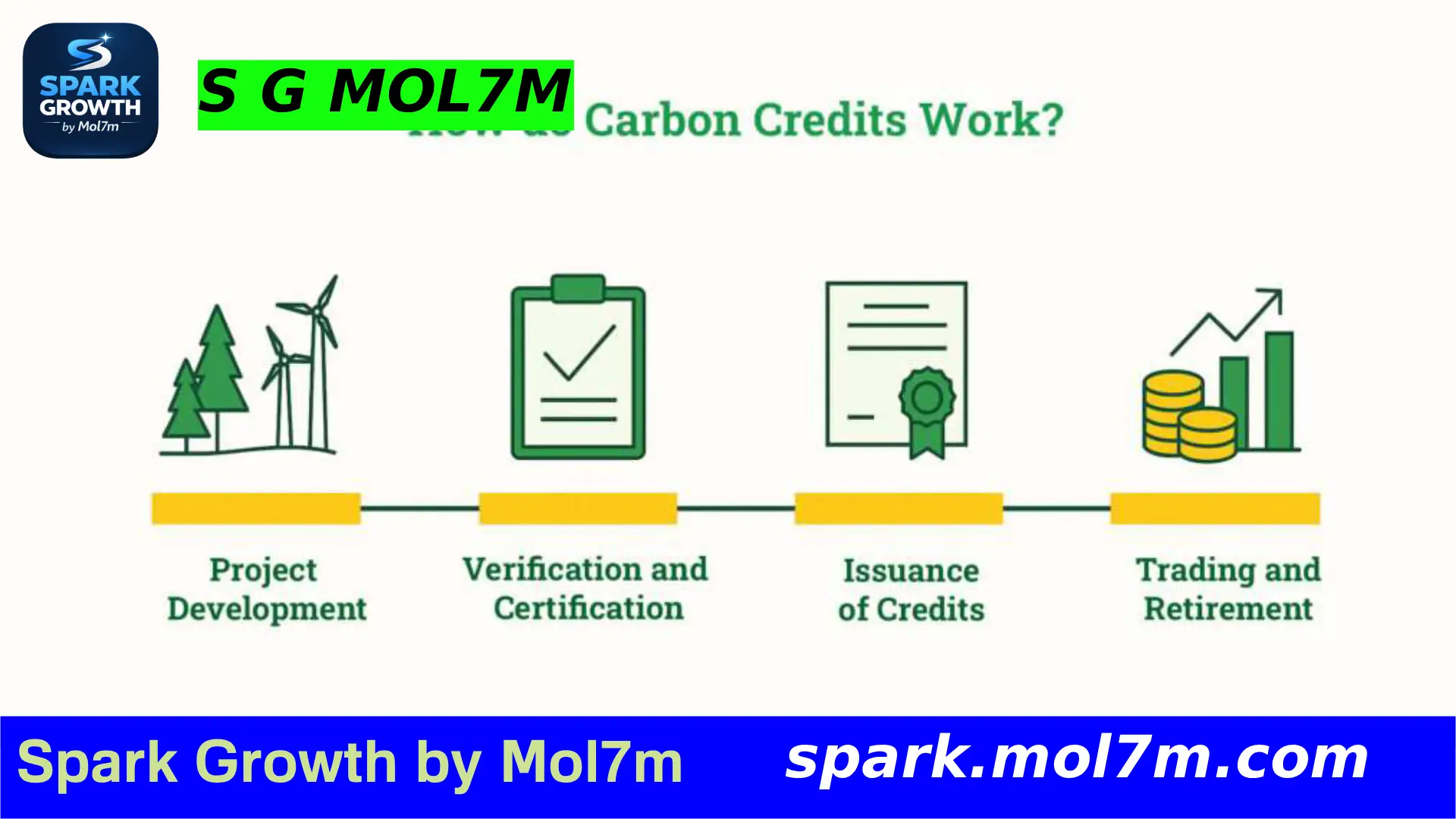
How Does Carbon Credits Trading Work? – A Comprehensive Guide, Carbon credits trading has emerged as a critical tool in the global fight against climate change. It allows companies and countries to offset their carbon emissions by investing in projects that reduce greenhouse gases. Essentially, carbon credits represent a permit that allows a company to emit a certain amount of CO2 or equivalent greenhouse gases. These credits can be bought, sold, or traded on carbon markets, creating financial incentives for emission reduction. Understanding how carbon trading works is essential for businesses, investors, and policymakers aiming to achieve sustainable growth while contributing to environmental protection.
What Are Carbon Credits?
Carbon credits are tradable certificates representing the right to emit one metric ton of CO2 or its equivalent in other greenhouse gases. Governments and regulatory bodies issue these credits to companies to manage and limit emissions. A company that emits less than its allowed quota can sell excess credits to others exceeding their limit. Carbon credits are crucial in creating financial motivation for organizations to reduce emissions. They also fund environmental projects such as reforestation, renewable energy, and energy efficiency initiatives. By understanding the basics of carbon credits, businesses can participate effectively in the carbon trading ecosystem.
Key Points:
- Represents one ton of CO2 emission reduction
- Tradable in carbon markets
- Encourages companies to cut emissions
- Supports environmental projects
How Carbon Trading Works
Carbon trading operates under a “cap-and-trade” system, where a limit (cap) is set on total emissions. Companies that stay under the cap can sell unused credits, while those exceeding it must purchase additional credits. This market-driven approach ensures cost-effective emission reductions. Trading occurs through regulated exchanges or over-the-counter markets. Prices fluctuate based on supply and demand, influencing company strategies. Carbon trading encourages innovation in sustainable technologies and investment in eco-friendly projects. By financially rewarding emission reductions, it aligns economic incentives with environmental responsibility, creating a dynamic market where environmental protection and profit coexist.
Key Points:
- Cap-and-trade system
- Buying and selling credits
- Market-based approach
- Incentives for sustainability
look: scaler launches ug program in ai and business
Types of Carbon Credits
There are two main types of carbon credits: compliance credits and voluntary credits. Compliance credits are used to meet government regulations and legal requirements. Voluntary credits, on the other hand, are purchased by companies or individuals aiming to offset emissions beyond legal obligations. Additionally, credits can be generated from renewable energy, forestry, methane capture, or energy efficiency projects. Understanding these types is crucial for participants in the carbon market, as each has different valuation, regulatory standards, and environmental impact. Choosing the right type of carbon credit allows organizations to align trading with both sustainability goals and business strategies.
Key Points:
- Compliance vs voluntary credits
- Generated from renewable projects
- Supports environmental responsibility
- Different regulatory standards
look what is carbon trading and how one can pursue it
Benefits of Carbon Credits Trading/ How Does Carbon Credits Trading Work
Carbon credits trading offers multiple benefits. It provides a financial incentive for companies to reduce emissions, making sustainability profitable. The system promotes technological innovation in energy efficiency and renewable projects. Additionally, it helps countries and companies meet climate targets set by international agreements like the Paris Accord. Carbon trading also generates funding for environmental projects, such as reforestation and clean energy. By creating a market for emissions reduction, it encourages transparency and accountability. Finally, it offers flexibility for businesses to balance operational needs with environmental responsibility, making carbon trading a practical solution for global climate challenges.
Key Points:
- Financial incentive for emissions reduction
- Encourages sustainable technology
- Supports climate targets
- Funds environmental projects
look how can I get a new gas pipeline connection what should I do to make the process easier
Challenges and Criticisms
Despite its benefits, carbon trading faces criticism. One major concern is the risk of greenwashing, where companies purchase credits without reducing actual emissions. Market volatility can lead to fluctuating credit prices, affecting business planning. Some argue that the system disproportionately benefits wealthier companies capable of buying credits rather than reducing emissions directly. Verifying the authenticity of carbon offset projects can be challenging, creating risks of fraud. Regulatory inconsistencies across countries also complicate trading. Addressing these challenges is crucial to maintain credibility, effectiveness, and public trust in carbon markets, ensuring that the system genuinely contributes to global emission reduction.
Key Points: How Does Carbon Credits Trading Work
- Risk of greenwashing
- Market volatility
- Verification challenges
- Regulatory inconsistencies
The Future of Carbon Trading
The future of carbon trading looks promising as governments, corporations, and investors increasingly prioritize sustainability. Advances in digital technology, blockchain, and AI could improve transparency, tracking, and verification of carbon credits. Global carbon markets are expanding, allowing cross-border trading and more standardized pricing. Policymakers are likely to implement stricter regulations to enhance credibility and effectiveness. Voluntary markets are also growing, driven by corporate responsibility and consumer demand. Overall, carbon trading is expected to evolve into a more efficient, transparent, and impactful system, playing a critical role in achieving net-zero targets and mitigating climate change on a global scale.
Key Points:
- Technology improves transparency
- Expansion of global markets
- Stricter regulations
- Growing voluntary market
How to Participate in Carbon Trading
Businesses and investors can participate in carbon trading through exchanges, brokers, or project investments. Companies should first assess their carbon footprint and determine the number of credits needed. Purchasing verified credits or investing in projects that generate credits ensures authenticity. Participation also requires monitoring regulations and staying updated with market trends. Collaboration with sustainability consultants can help design strategies for emission reduction and trading. Additionally, reporting and compliance are essential to maintain credibility. By actively participating in carbon markets, organizations not only offset emissions but also enhance corporate reputation and contribute positively to global environmental goals.
Key Points: How Does Carbon Credits Trading Work
- Assess carbon footprint
- Purchase verified credits
- Monitor regulations
- Invest in environmental projects


